The push toward sustainability has made a profound impact on how we approach our daily lives, and the garden is no exception. As environmental awareness grows, many gardeners are actively seeking ways to lessen their reliance on plastic, particularly the single-use culprits that contribute significantly to waste. The good news is that by adopting mindful habits, we can dramatically reduce the plastic footprint of our horticultural activities without sacrificing the joy of growing. The core strategy here is simple: reuse and rejuvenate the plastics we already possess.
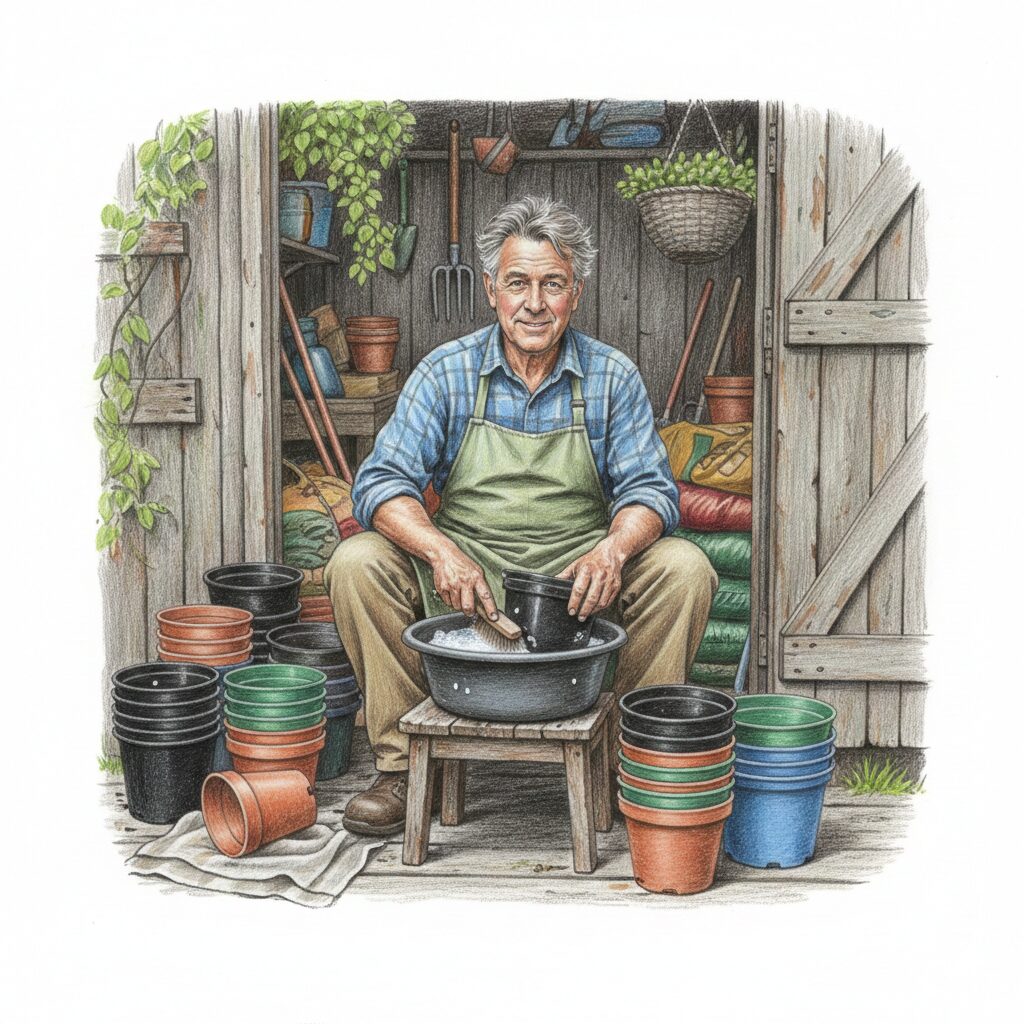
One of the most common forms of plastic clutter is the ubiquitous plant pot. Rather than tossing these containers at the end of the season, view them as valuable, multi-season assets. The secret to maximising their lifespan lies in proper maintenance. Dedicate some time now to thoroughly washing all your plastic pots, removing residual soil. Once cleaned, organise and stack them neatly by size. Careful storage not only keeps your shed tidy but ensures it is immediately ready for sowing and potting up come springtime. The better you treat these items, the longer they will last.
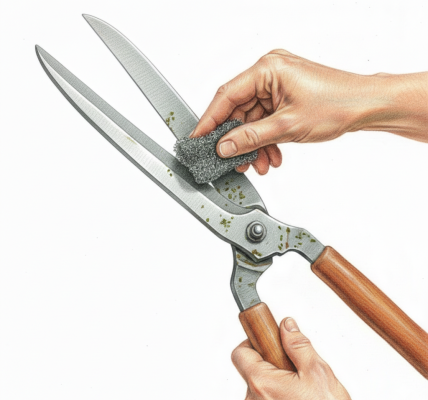
Another area where unnecessary plastic consumption occurs is in plant labeling. We often use new markers each year, but spent labels are remarkably easy to recycle into fresh ones. Collect all your old labels and give them a good wash to remove mud. Once dry, take a piece of fine wire wool and gently scrub the surface of each marker. You will find that last season’s writing—whether from permanent marker, pencil, or ballpoint pen—is lifted away effortlessly. This simple, hands-on task effectively wipes the slate clean, leaving you with a stack of reusable, pristine labels. This process not only provides a satisfying feeling of resourcefulness but also offers a significant cost saving, turning a pile of apparent waste into a valuable resource for the seasons ahead.