As we settle into the heat of July, our garden borders often hit a turning point. The combination of intense sunshine and occasional heavy downpours can trigger a sudden, rapid flush of lush growth that many plants simply cannot support on their own. It’s a common frustration: one day your border looks like a perfectly curated piece of art, and the next, after a windy night or a sharp thunderstorm, it has transformed into a chaotic disaster zone, with stems toppling over and sprawling where they don’t belong.
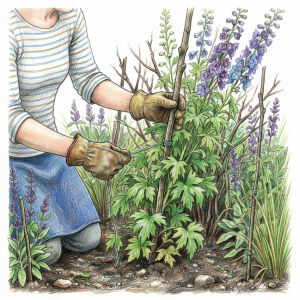
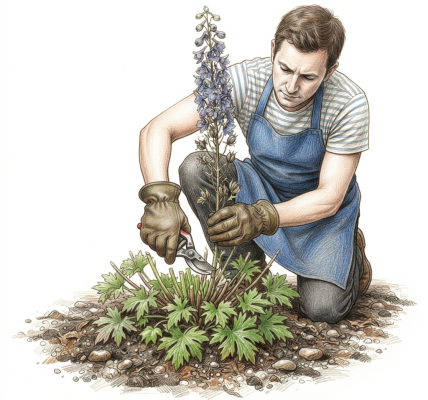
The secret to maintaining that midsummer magic is to intervene before things get too messy. Keeping a stash of support materials on hand—such as natural hazel pea sticks or discreet metal supports—is a total game-changer. The goal isn’t to over-engineer the garden, but to gently move around your borders, carefully easing those leaning plants back into an upright position and tucking the supports underneath them to provide the necessary structure.
There is a real art to this, though. You want to provide enough underpinning to stop the plants from collapsing, but you must be careful not to overdo it. Avoid the temptation to pull everything tight, as this can leave your borders looking unnaturally stiff, like they have been forced into a tight corset. That rigid, over-managed look completely strips away the wild, romantic charm that makes a midsummer garden so special.
Ultimately, your goal is “invisible gardening.” When you stand back to admire your work, it should not look like you have done anything at all; the plants should simply look like they are standing tall and proud of their own volition, retaining all that beautiful, bountiful movement. A little bit of subtle engineering now will keep your garden looking pristine while still feeling delightfully relaxed and natural for the rest of the season.