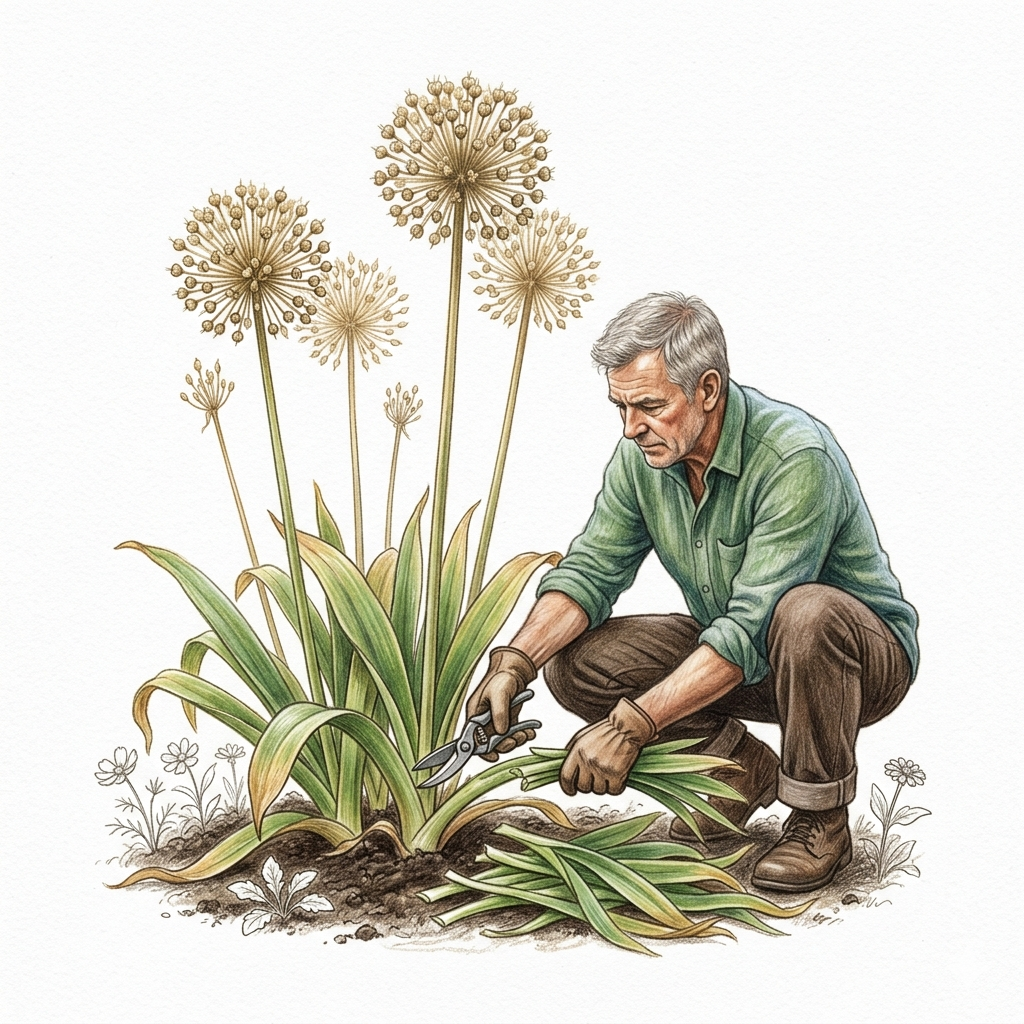
While many gardeners are accustomed to the long, lingering wait for bulb foliage to wither, alliums offer a refreshing departure from the norm. Most spring bulbs require you to leave their yellowing leaves intact for weeks to recharge the bulbs for next year, often resulting in a messy, unkempt appearance in the heart of your garden beds. Alliums, however, are far more forgiving. One of the most liberating aspects of growing these architectural spheres is that you can cut their foliage back to the ground immediately before or after the blooms have faded. This allows you to tidy up the border without the guilt of compromising the plant’s future health, keeping your outdoor space looking intentional and sharp.
Crucially, while the foliage can be cleared away, the tall stems and dried flower heads should be left standing. These structural elements transform into beautiful, skeletal seed heads that provide striking architectural interest throughout the summer. Even as the vibrant purples and whites fade to a muted biscuit tone, they offer a textural contrast to the lush greenery of the surrounding garden. By removing only the leaves at the base, you manage to keep the garden neat without losing the dramatic silhouette that makes alliums so beloved in contemporary landscape design.
This practice also serves a vital functional purpose by reclaiming valuable ground-level real estate. The moment that thick, strap-like foliage is cleared away, a significant amount of space is suddenly available for the next phase of the gardening calendar. This is the perfect opportunity to transition your garden from the structured elegance of spring into the exuberant, wild colours of summer. By removing the allium remnants at the base, you create a blank canvas for new growth while the high seed heads continue to dance above the border.
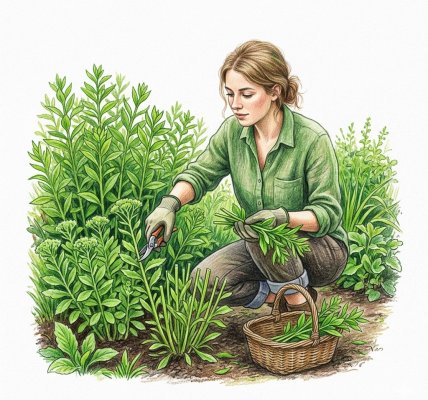
The Chelsea Chop is a masterstroke of garden timing, named for the iconic Chelsea Flower Show held each May. It is a pruning technique designed to delay the gratification of certain blooms to ensure your garden remains vibrant well into the cooling days of autumn. While it feels counterintuitive to take shears to healthy, growing plants just as they are gaining momentum, this strategic intervention is the secret to avoiding a garden that peaks too early and leaves you with nothing but faded stalks by August.
The beauty of this method lies in its simplicity and the way it manipulates a plant’s natural growth hormones. By cutting back the stems of late-season perennials—think of the sturdy Sedums, golden Solidago, or the fiery faces of Heleniums—you effectively hit the “snooze” button on their flowering cycle. When you remove the primary growing tip, the plant diverts its energy into producing multiple side shoots. These new stems take a little longer to develop, resulting in a fresh wave of flowers that arrive several weeks after their unpruned neighbours have finished their show.
Execution is less about precision and more about distribution. If you are fortunate enough to have several large drifts of the same perennial, you can cut one entire clump back by half, leaving the others to bloom at their natural pace. However, for those working with a single, large specimen, the trick is to prune only the front or outer third of the plant. This creates a tiered effect: the back of the plant provides height and immediate colour, while the pruned front section stays shorter and sturdier, preparing for a second act.
Beyond just extending the season, the Chelsea Chop helps manage the “flopping” habit of taller species. By reducing the height in May, you create a more compact, self-supporting shape that can withstand summer storms without needing unsightly stakes or twine. It is a simple, rhythmic task that rewards a moment of bravery with a much longer, more resilient season of colour.
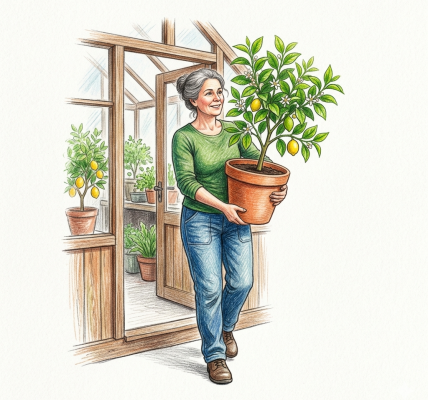
Maintaining a balanced structure is key. Aim for an open centre to allow light and air to reach the canopy’s centre, which helps prevent pests and diseases. When spacing these plants outdoors, choose a sunny, sheltered spot that mimics their native Mediterranean climate. With careful attention to temperature fluctuations, citrus plants will thrive throughout the summer months, eventually producing the fragrant blossoms and vibrant fruit that make them such a rewarding addition to any collection.