As January arrives and the winter chill deepens, the natural larders of the countryside begin to run dry. For our garden birds, this month represents a critical period of survival, where finding enough sustenance to endure the long, freezing nights is a daily race against time. By maintaining a well-stocked feeding station throughout this month, you are providing a lifeline that can make the difference between life and death for local populations.
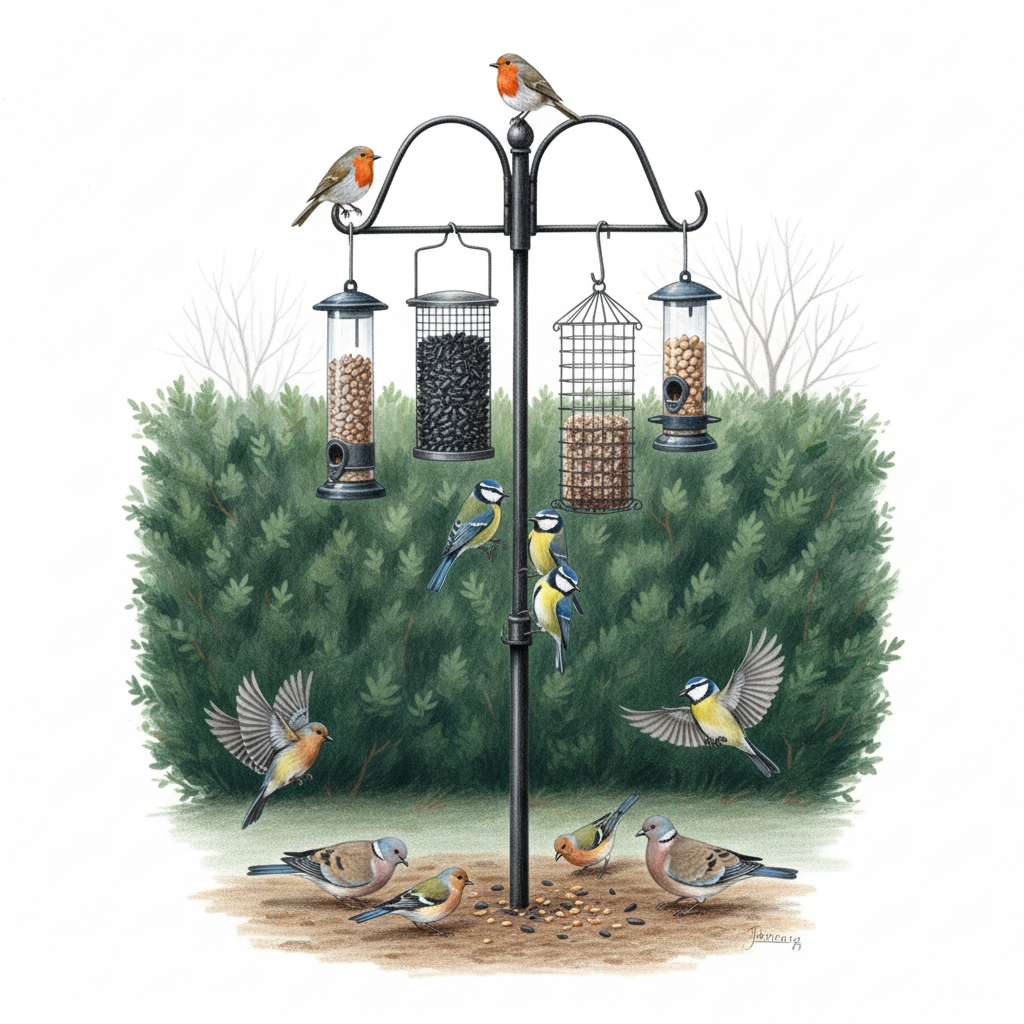
The energy demands on a tiny bird during a frost-laden January are immense. To maintain their body temperature, they must consume high-calorie, fat-rich foods that provide immediate fuel. Offering a diverse menu is the best way to support a variety of species. Sunflower seeds and suet pellets are particularly valuable now, as they are packed with the essential oils and fats needed for winter insulation. High-energy peanuts are also excellent, though it is vital to ensure all offerings are unsalted; a bird’s system cannot process salt, and it can prove fatal. Buy packs of peanuts specifically for birds, and ideally look for half peanuts if possible.
Strategic placement of your feeding station is essential for the birds’ safety. Ideally, the feeder should be situated in an open area that allows birds to scan for approaching predators, such as cats, while remaining within a few flaps of dense hedges or evergreen shrubs for a quick escape. Furthermore, hygiene cannot be overlooked. Damp winter weather can encourage the spread of avian diseases in feeding areas. A routine scrub with warm, soapy water every fortnight is essential.
Once you establish a feeding routine in January, consistency is paramount. Birds memorise reliable food sources and will plan their daily energy expenditure around your garden. Watching the vibrant activity of blue tits, robins, and finches against a winter backdrop offers a profound connection to the natural world during these quiet months.