Embracing a minimalist approach to lawn maintenance is not just a labour-saving choice, but a profound gift to the local ecosystem. While traditional gardening often prioritises a manicured aesthetic, allowing grass to grow long creates a rich sanctuary for a diverse array of wildlife. When integrated with spring bulbs, hardy perennials, and scattered annuals, these wilder patches rival the beauty of any formal flower bed. While this “untidy” look may clash with the sensibilities of those who prize strict order, the ecological rewards far outweigh the visual chaos.
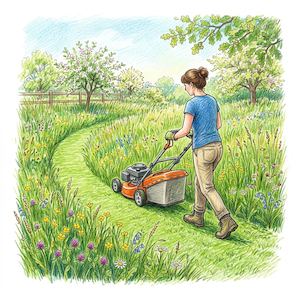
Of course, practicality remains a factor for families with active children who need a space for recreation. A sensible compromise involves maintaining a dedicated patch of closely cropped turf where people can play, lounge, and enjoy the tactile sensation of short grass. By restricting the mower to specific zones or carving out meandering paths through taller meadow areas, you can strike a balance between human utility and environmental stewardship. This approach transforms the lawn from a high-maintenance chore into a dynamic landscape that serves both the household and the natural world.
When you do bring out the mower, the technique is just as important as the frequency of use. It is a common mistake to scalp the lawn during its first few spring sessions; instead, you should keep the blades high to merely even out the growth. As the season progresses and the grass gains vigour, you can slowly lower the cutting height over several weeks. Keeping the sward slightly longer than average encourages a much deeper green and a far more resilient root system, ensuring the lawn stays healthy through the shifting spring weather.
Finally, the byproduct of your mowing should be treated as a valuable resource rather than waste. Fresh grass clippings are nitrogen-rich and make an excellent addition to the compost bin, provided they are managed correctly. To prevent the pile from collapsing into an anaerobic, slimy mess, always blend the green clippings with “brown” carbon-rich materials such as shredded cardboard or straw. This balance ensures the material breaks down effectively, eventually returning vital nutrients to the garden soil.