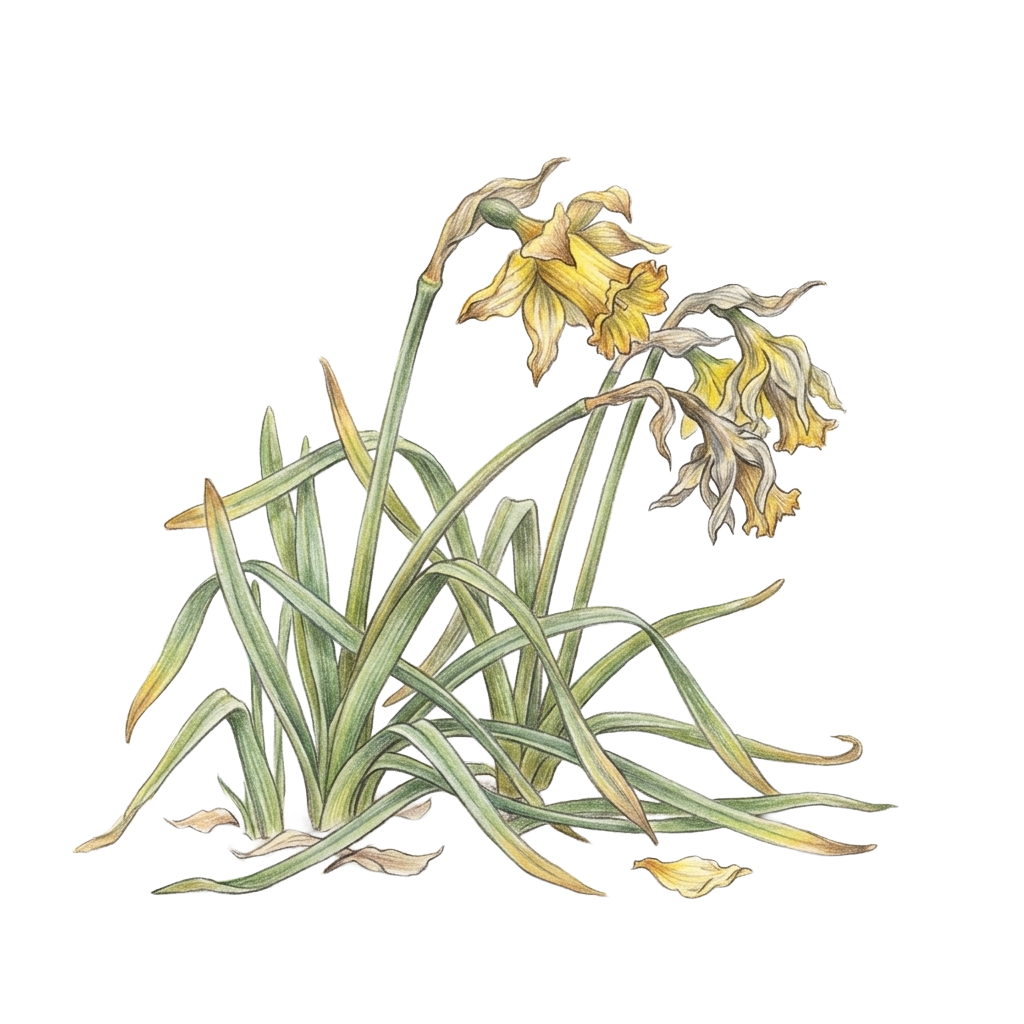
One of the hardest things for a tidy-minded gardener to do in March is… absolutely nothing. As our spring bulbs finish their spectacular show, we’re often left with clumps of collapsing, yellowing foliage that look, frankly, a bit of a mess. The temptation to reach for the shears, or even to neatly “knot” the leaves together to tidy the borders, can be almost overwhelming. However, if you want a repeat performance next year, you have to resist that urge and let nature take its course.
The science behind this is simple but vital: those leaves are currently acting as solar panels for the bulb. Through photosynthesis, the green foliage is busy converting sunlight into the energy needed to create next year’s flowers. When you cut the leaves back too early or tie them in tight bundles, you essentially starve the bulb of its only food source. This is the number one reason why many bulbs return blind like daffodils—they simply didn’t have the fuel to build a new bud.
The rule of thumb is to leave the foliage alone until every last trace of green has vanished. This usually won’t happen until at least June. It might look a bit scruffy for a few weeks, but it’s a small price to pay for a reliable display. If the sight of dying leaves really bothers you, try planting perennials nearby; their fresh summer growth will eventually cover the fading bulb foliage, hiding the “mess” while it does its work.
Once the leaves have turned completely yellow-brown, they will often pull away with a gentle tug. Only then should you clear them away. This patient approach ensures your bulbs stay healthy and vibrant for years to come.