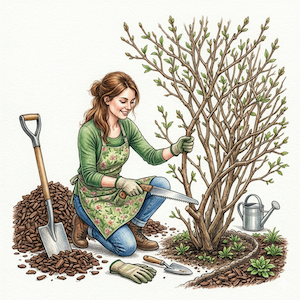
As April arrives, the window for pruning your Butterfly Bush (Buddleja davidii) is reaching its peak. While many gardeners traditionally aim for March, the early weeks of April are often the best time to tackle this hardy shrub, especially in cooler regions where late frosts can linger. Because these plants bloom exclusively on fresh wood produced during the current season, a bold approach with the loppers now is the most effective way to guarantee a spectacular display of honey-scented flowers come summer.
When deciding how low to go, consider the plant’s surroundings. For a standalone shrub that has plenty of room to spread, feel free to cut the stems down to about a foot from the ground. This drastic rejuvenation keeps the plant manageable and ensures the blooms stay at eye level. However, if your Buddleja is competing for light in a crowded border, leaving a structural skeleton about three feet tall is often wiser. This provides the new shoots with a vital “ladder” to climb, allowing them to rise above neighbouring foliage and soak up the spring sunshine.
The timing of your cuts this month is also a protective measure. By pruning now, just as the sap is rising and the first vibrant green buds are swelling, you allow the plant to put all its energy into new, vigorous growth rather than maintaining old, leggy wood. If you haven’t started yet, don’t worry—the plant is remarkably resilient. A firm hand now prevents the shrub from becoming a tangled, woody mess and encourages the lush, silver-green foliage that serves as the perfect backdrop for its summer spikes.
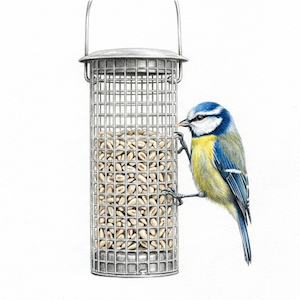
Finally, remember that your garden cleanup can serve a dual purpose for local biodiversity. Instead of hauling the old branches away, try cutting the straightest stems into even lengths and bundling them together with twine. Tucked away under a hedge or behind a shed, these bundles become a Five-Star “insect hotel” for the pollinators and ladybirds currently emerging from hibernation. This simple act turns your routine April maintenance into a lifeline for the beneficial bugs that will eventually help keep your garden pests in check.